
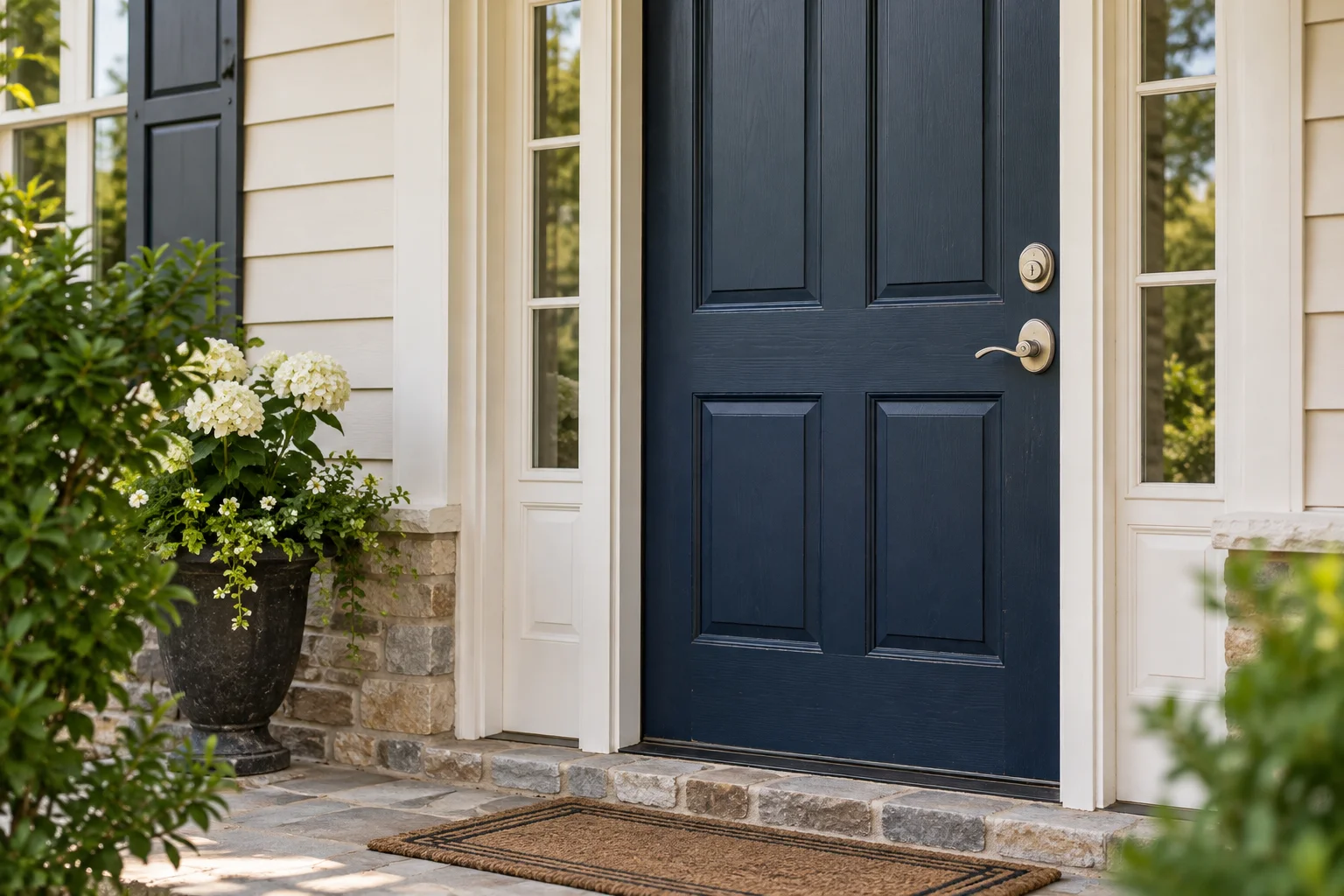
How we help
Replace worn, damaged or unwanted hardware with a lock that suits your door. Moving in, upgrading security or dealing with a failed lock? We help you choose the right replacement.
Common situations
- Moving into a new home or apartment
- Lock damaged in a break-in attempt
- Roommate or ex moved out with a key
- Upgrading a worn builder-grade deadbolt
What the service includes
- 01The technician identifies the lock type (cylindrical deadbolt, mortise, rim, or knob) and measures backset, door thickness and bore size so the new lock fits the existing holes.
- 02You choose the replacement: a matching-size residential lock, a higher-grade commercial lock, or a high-security cylinder with restricted keys.
- 03The old lock is removed and the strike, bolt hole and frame are inspected for damage that would stop the new bolt from throwing fully.
- 04The new lock is installed, the strike is adjusted so the bolt extends completely without binding, and locks are keyed alike if you want one key.
- 05Every key and the thumb-turn are tested several times from both sides, and all keys are handed over, with a key card for restricted systems.
Typical time: 20-45 minutes per lock
Options
- Cylinder swap
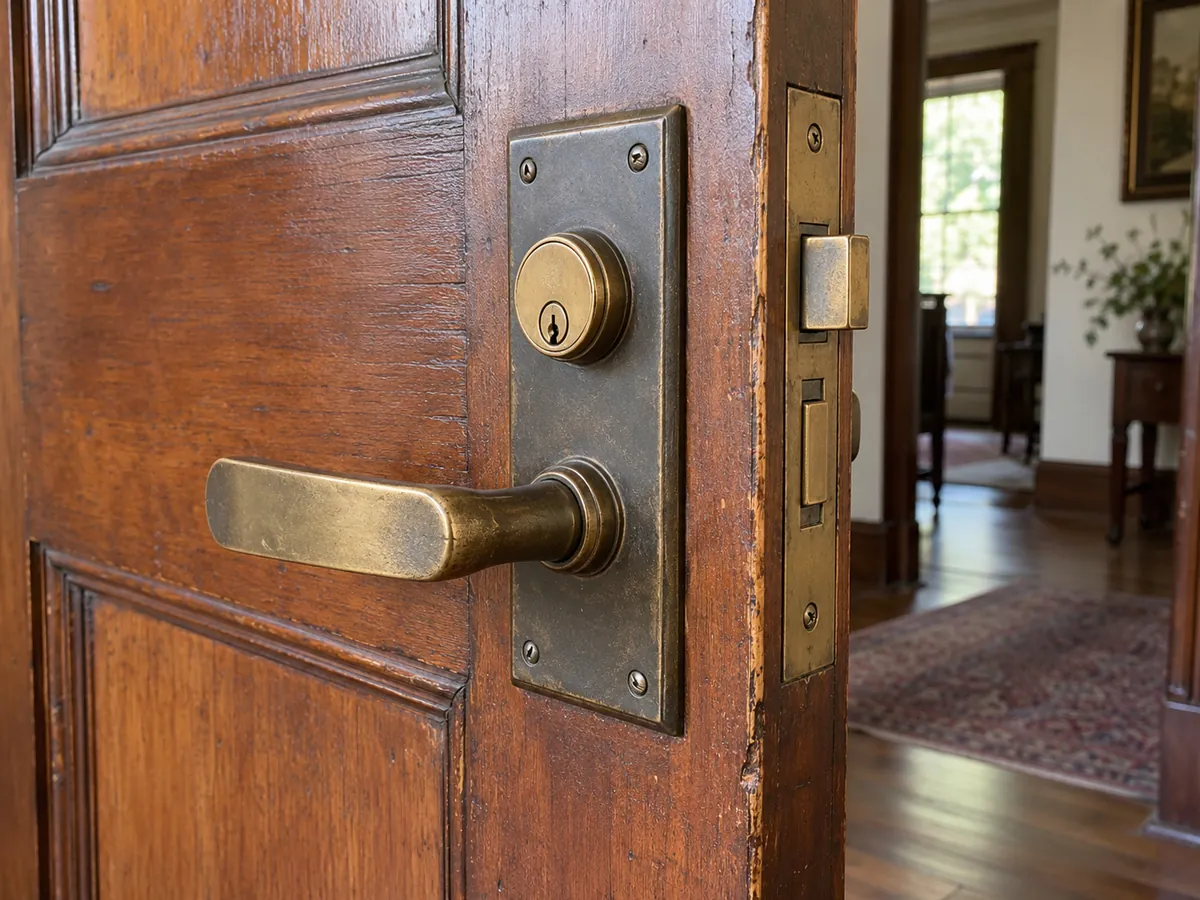
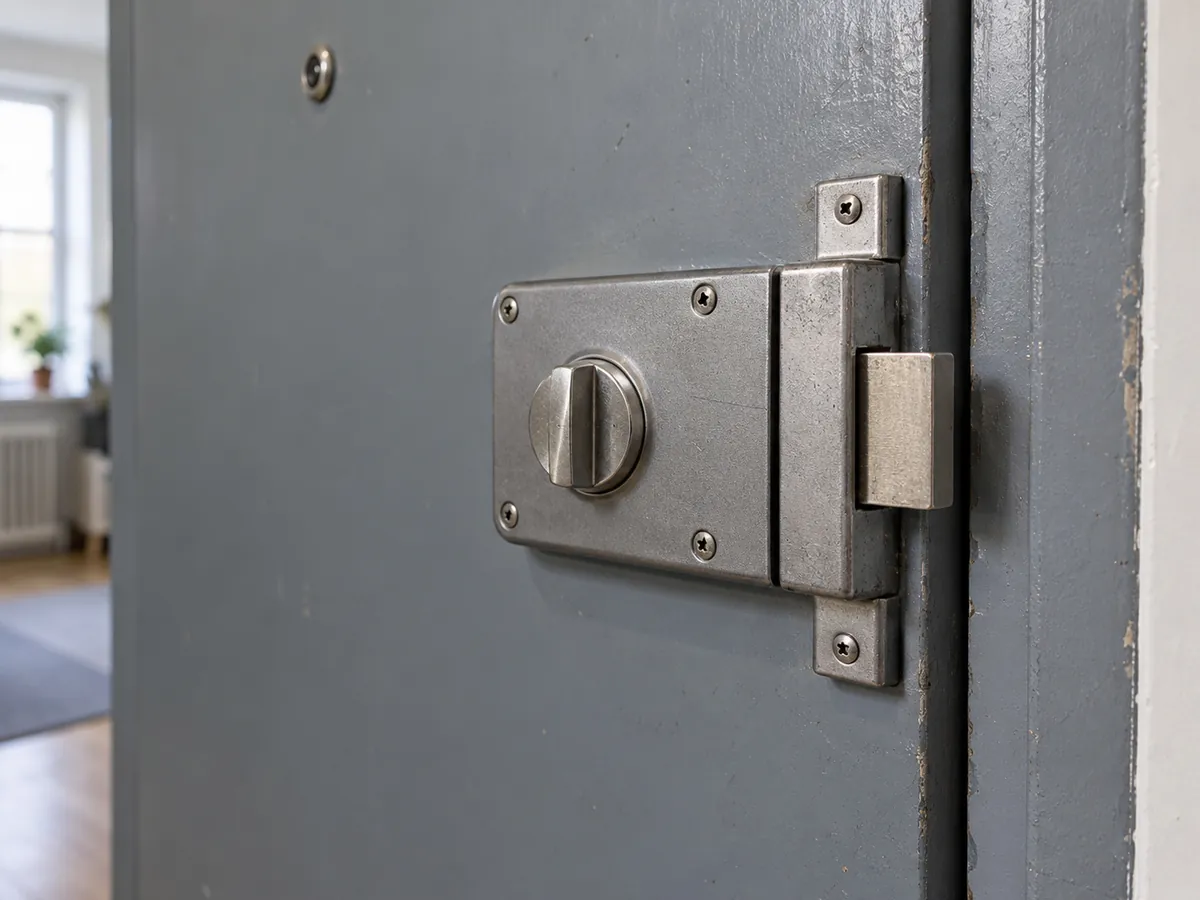
- Replace only the keyed cylinder in a mortise or rim lock; often enough on older apartment doors.
- Matching residential lock
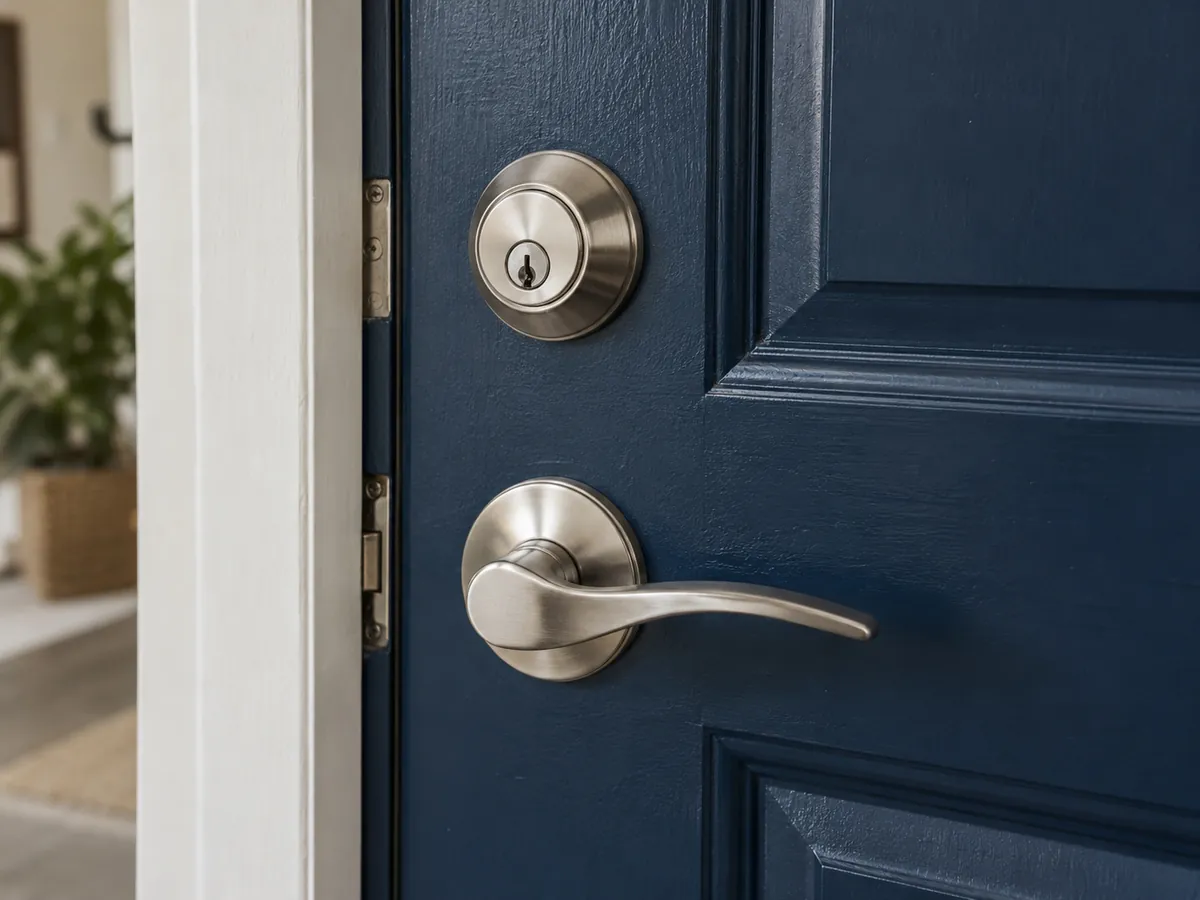
- A new deadbolt that fits the existing holes, keyed to your other locks if you want one key.
- Grade 1 or commercial lock
- Heavier hardware for doors that take a lot of use or abuse.
- High-security cylinder
- Medeco or Mul-T-Lock cylinders with restricted keys that cannot be copied at a hardware store.
Locks we install
Compatibility and limits
- If the lock works well and you only need to cut off old keys, rekeying is cheaper.
- Discontinued or unusual mortise locks may need a follow-up visit once the right part is found.
- Lock bodies and new holes on fire-rated hallway doors may need building or board approval.
Should I change my locks or just rekey them?
Read the answer
Rekeying changes the pin stack inside your existing cylinder so old keys stop working, and it costs less because you keep the hardware. It is the right choice when the lock works well and you only need to cut off old keys, for example after a roommate moves out.
Change the lock instead when the hardware is worn, loose, damaged by a break-in attempt, or simply weak. A builder-grade knob lock with no deadbolt, a deadbolt that wobbles in the door, or a lock that has been bumped or drilled is a security problem a rekey will not fix.
Upgrading is also the moment to add security: a longer throw deadbolt, a reinforced strike with 3-inch screws into the stud, or a high-security cylinder with keys that cannot be copied at a hardware store.
Common questions
How long does a lock change take?
Most standard deadbolt changes take 20-45 minutes. Mortise lock bodies or doors that need re-drilling or strike work take longer.
Can a new lock match my existing key?
Yes, if the new lock uses the same keyway. A new lock can be keyed to your current key, or several new locks can be keyed alike so one key opens them all.
Should I buy the lock myself?
You can. Bring the brand and model, and have the locksmith confirm it fits your door's backset, thickness and lock type before installing it.
Which brand of deadbolt should I choose?
For most homes, a Grade 1 or Grade 2 deadbolt from Schlage, Yale or a similar established maker is a solid choice. If key control matters, consider a high-security cylinder from Medeco or Mul-T-Lock.
Can a lock be changed on a steel apartment door?
Yes. Most Minneapolis steel and kalamein doors take mortise or rim locks, and replacement cylinders and bodies exist for common sizes. Unusual or discontinued locks may need a follow-up visit with the right part.
Do I need to be home for a lock change?
Yes, or someone you authorize must be. The locksmith needs to confirm the occupant and hand over the new keys in person.