
How we help
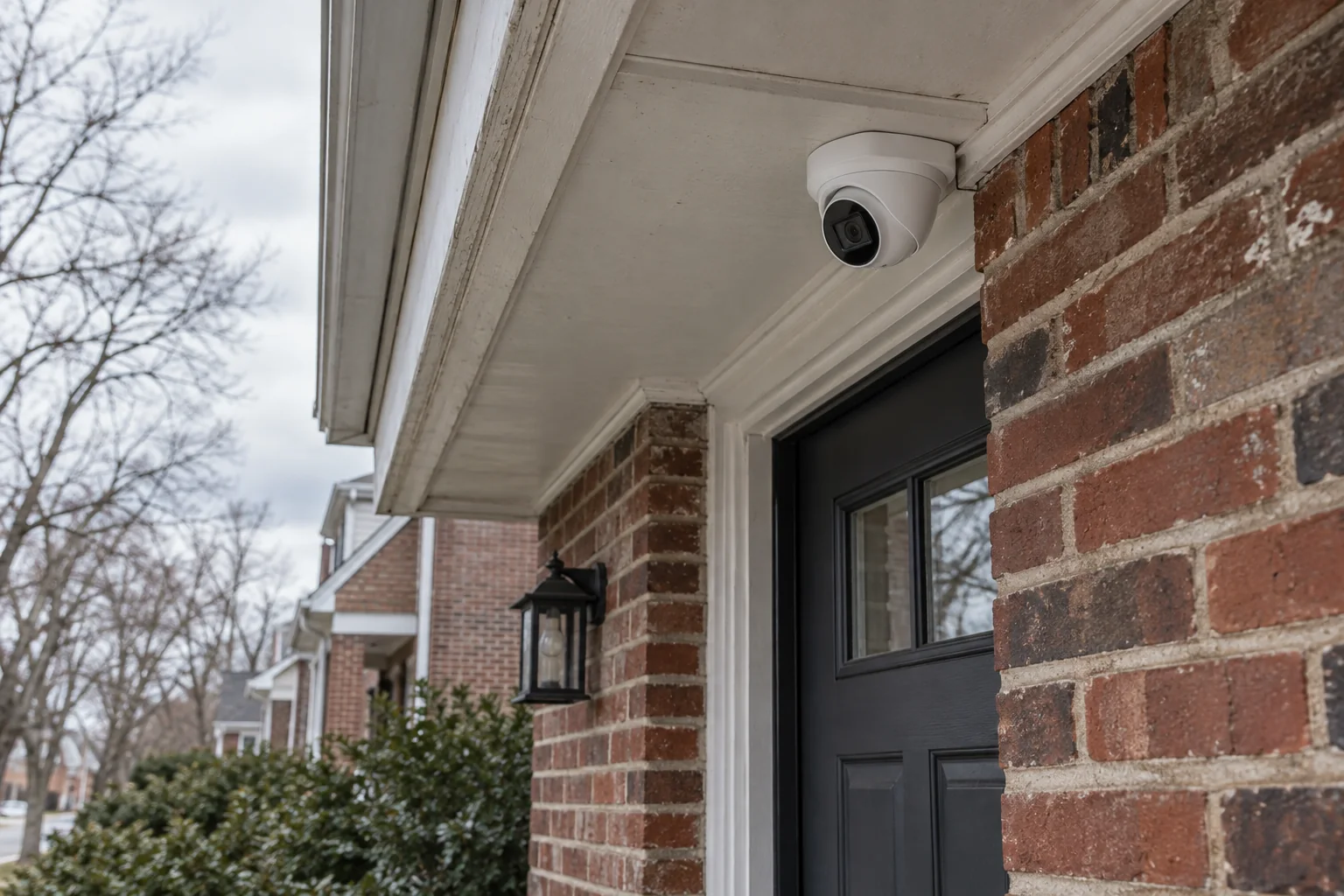
Plan camera coverage around the areas you need to monitor. We help you choose placement, recording and remote access for clear, useful footage.
Who it's for
- Retail stores, bodegas, salons and restaurants
- Managing agents covering lobbies, mailrooms and package rooms
- Offices and warehouses
- Homeowners covering entrances and driveways
Suitable properties
- Retail storefront
- 4-8 cameras covering the door, register, aisles and back door, recording to an NVR.
- Apartment building lobby
- Lobby, mailroom, package room and stairwells, with elevator cameras quoted separately.
- Office suite
- Entrances and shared areas only, with access for the office manager by phone.
- House
- Front and back entrances and the driveway, with night tuning for street lights.
Main options
- NVR-based IP system
- PoE cameras recording to an on-site network video recorder, viewed from a phone app. No per-camera fee.
- Cloud-managed cameras
- Footage and management in the cloud, easy multi-site access, with a per-camera subscription.
- Hybrid
- Local recording for retention plus cloud access for alerts and remote viewing.
- Add-on to an existing system
- New ONVIF-compatible cameras added to a recorder that has spare channels and licenses.
Camera equipment
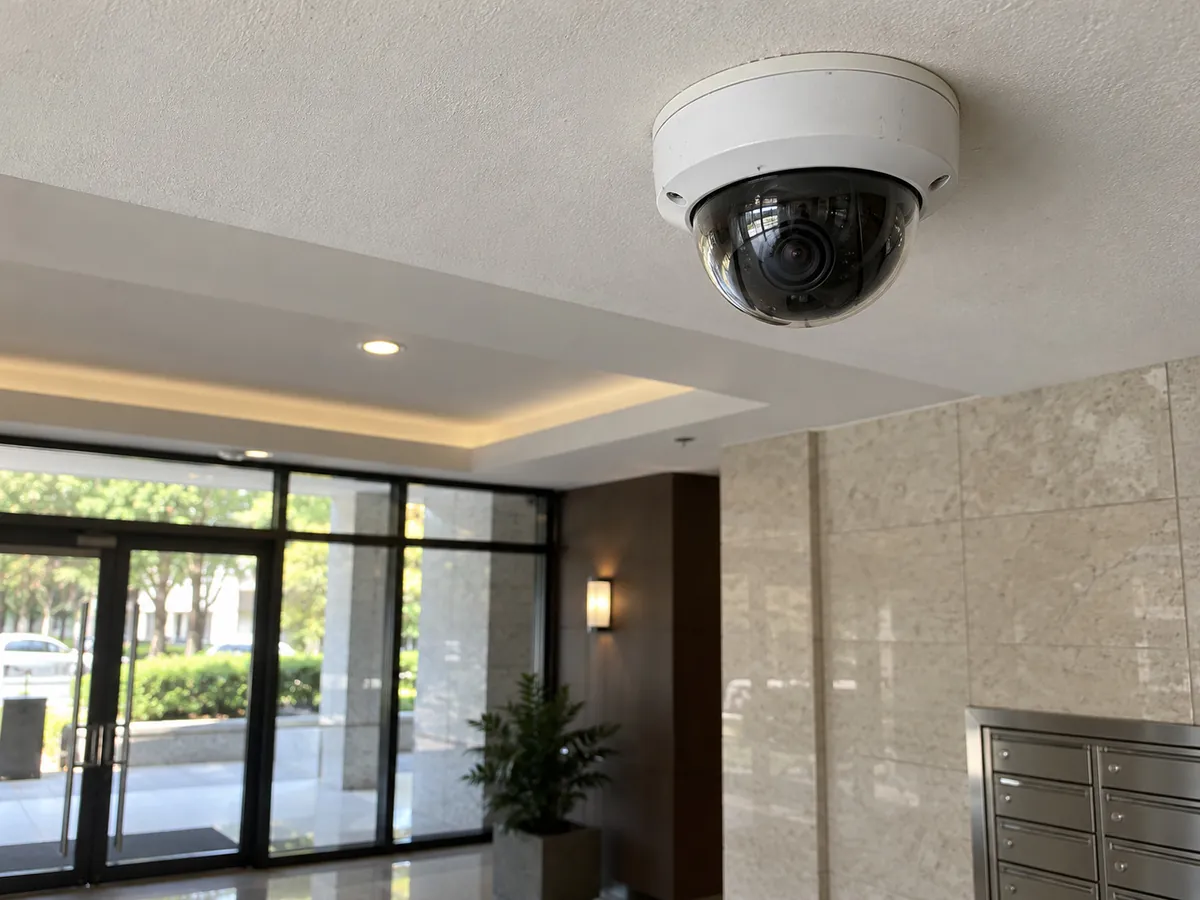
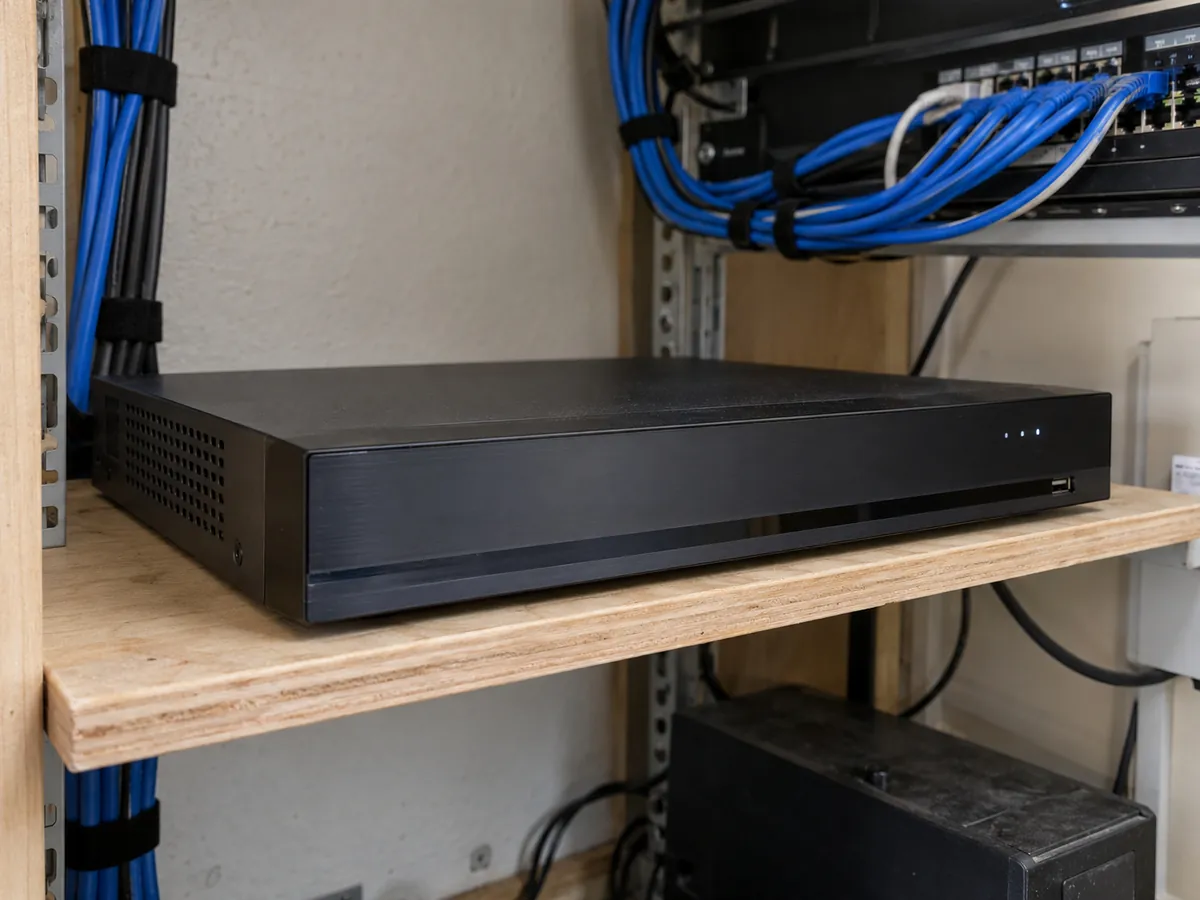
Survey, installation and support
- 01A site survey looks at entrances, cash points, blind spots, lighting and where cable can run.
- 02The design is a camera layout plan showing each view and what it is meant to identify.
- 03You receive a written, itemized proposal with camera models, recorder, storage days and any subscription.
- 04PoE cameras, the recorder and the network are installed, and every view is aimed and tuned day and night.
- 05Handover covers phone viewing, user accounts and exporting footage for police or insurance.
- 06Ongoing support covers camera faults, storage checks and firmware updates.
Typical timeline: 1-2 days for 4-8 cameras; larger buildings scheduled in phases
Compatibility and limits
- Audio recording is a separate feature from video. Discuss privacy and applicable consent requirements before enabling audio capture.
- Employers may not video record employees in restrooms, locker rooms or designated changing rooms without a court order.
- Facial recognition or other biometric analytics in Minneapolis stores triggers signage rules.
- Elevator cameras need a traveling cable or wireless bridge and are priced separately.
Which security camera brands are worth considering?
Read the answer
Business-grade IP cameras that support the ONVIF standard and Power over Ethernet let cameras and recorders from different manufacturers work together, and a single cable carries power and video. Axis, Hanwha Vision and Avigilon are common professional choices.
For landlords, government contractors and anyone selling to federal agencies, ask about NDAA-compliant hardware. The FCC does not authorize new equipment from companies on its Covered List, so check that list before buying discount cameras online.
Whatever the brand, change default passwords, keep the recorder off the public internet except through the manufacturer's secure app, and keep firmware updated. Default credentials are one of the most common ways camera systems get compromised.
Common questions
Can I watch my cameras from my phone?
Yes. The manufacturer's app runs on your phone, and separate logins can be created for staff or the super with permissions you control.
How many days of footage will I have?
It depends on camera count, resolution and drive size; 14 to 30 days is common. Ask for the expected retention to be stated in the proposal.
Can cameras go in apartment building lobbies and elevators?
Yes. Lobbies, mailrooms, package rooms, stairwells and elevators are the most common locations in multifamily buildings. Elevators need a traveling cable or wireless bridge.
Can cameras be added to my existing system?
Often yes, if the recorder supports ONVIF or the same brand and has spare channels and licenses. That is checked during the survey.
Should my cameras record audio?
Audio recording is a separate feature from video. Discuss privacy and applicable consent requirements before enabling audio capture.
Will cameras work at night?
Yes. Most professional cameras have infrared or low-light sensors. Tuning each camera after dark keeps headlights and street lights from washing out the image.