
How we help
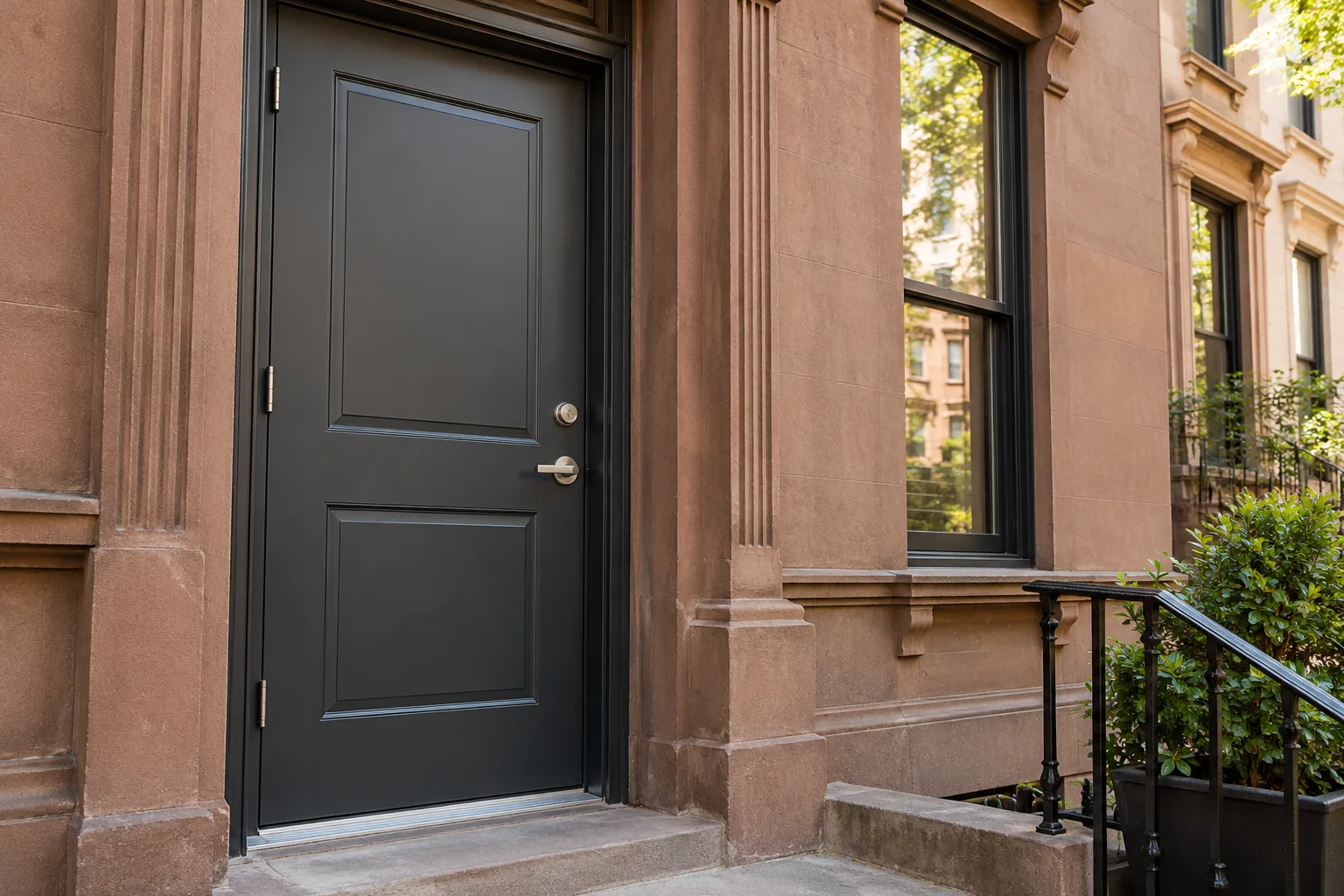
We supply and install doors for homes, apartments and businesses: steel and fiberglass entry doors, fire-rated apartment doors, interior doors, commercial metal doors, aluminum and glass storefront doors, frameless glass doors and automatic doors. Every job starts with measuring the opening and checking the frame, so the new door closes, latches and locks properly.
Doors we install
Every door is measured on site and fitted with the frame, locks and closer it needs.
Homes
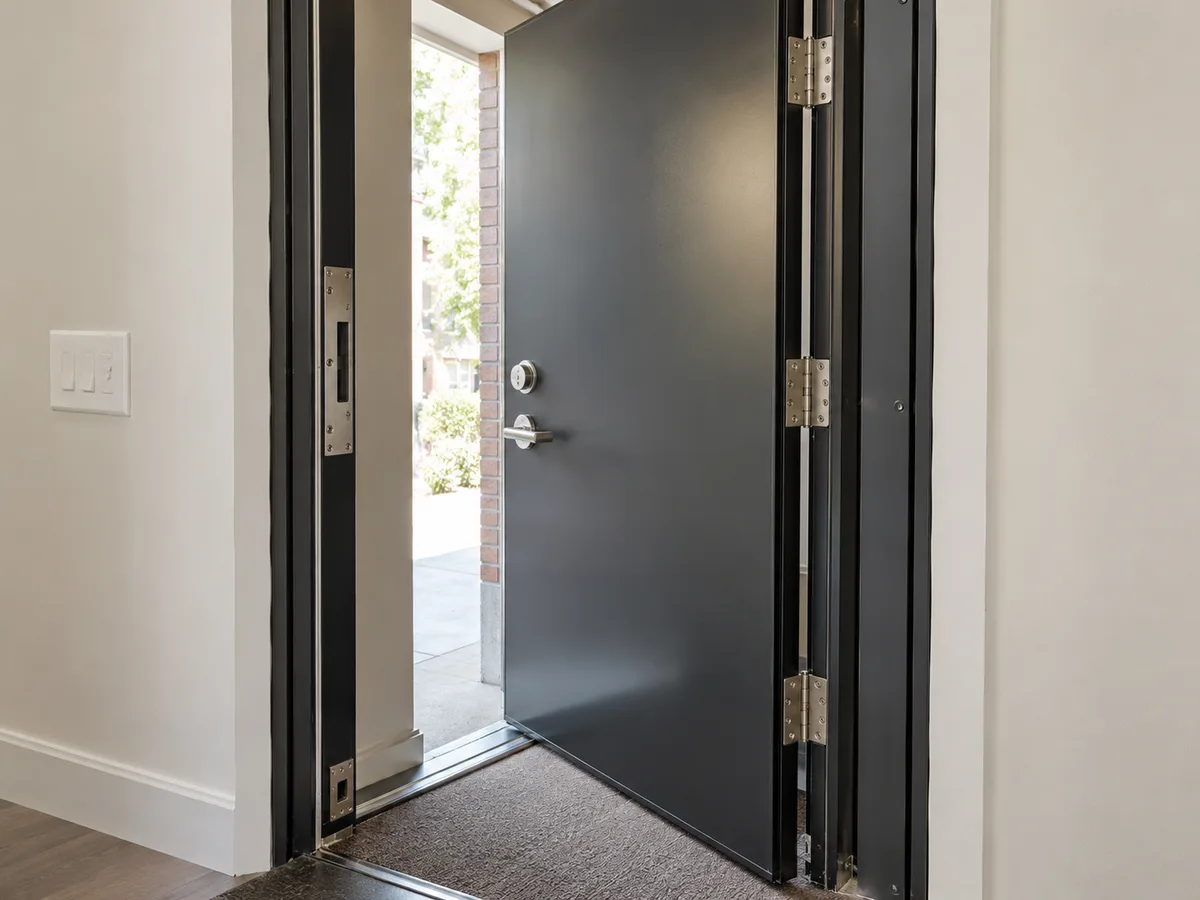
Entry doors
Steel, fiberglass and wood front doors for houses, brownstones and apartments.
- Steel frames and reinforced strike
- Heavy-duty hinges
- Deadbolt, mortise or multi-point locks
Apartments
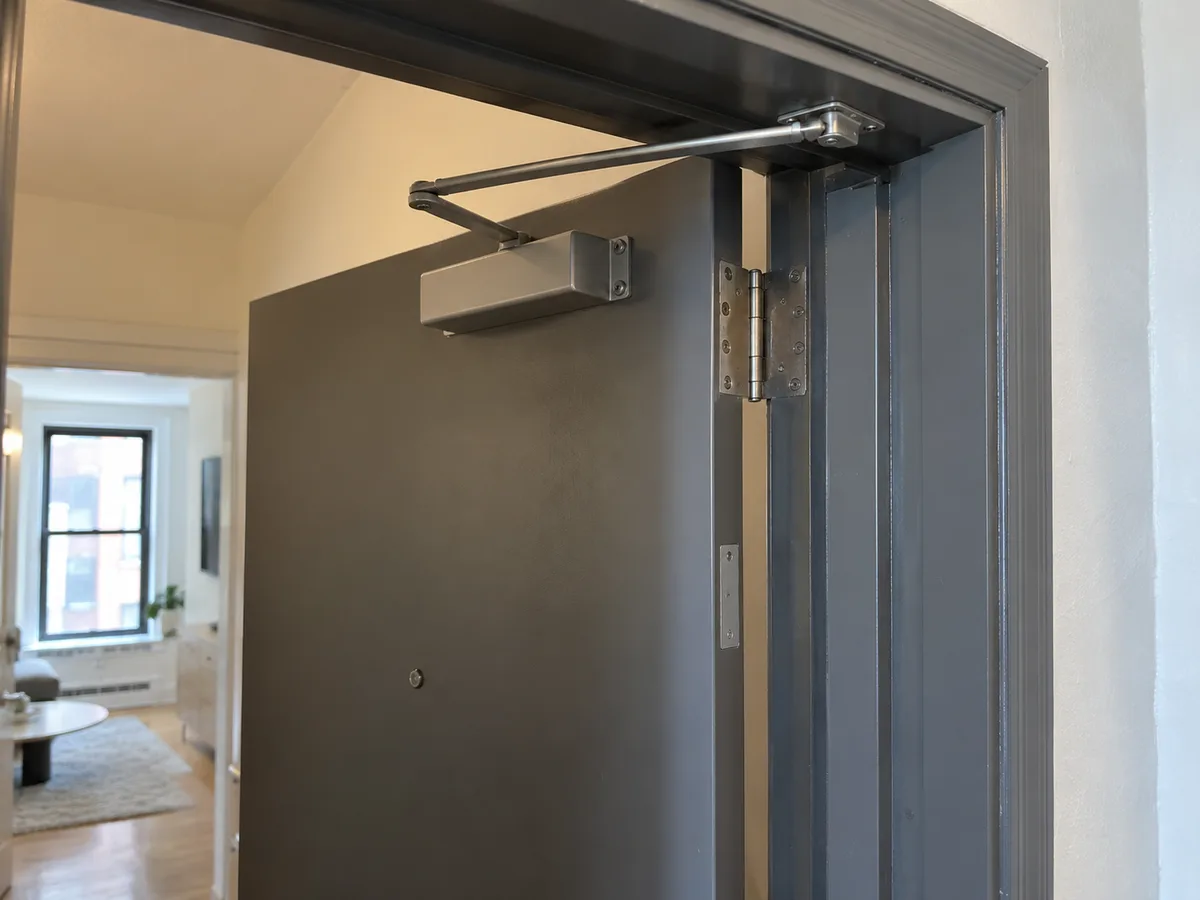
Fire-rated doors
Labeled doors and frames for apartment entrances and stairways.
- Self-closing and latching
- Labeled door, frame and hardware
- Locks chosen to keep the rating
Homes
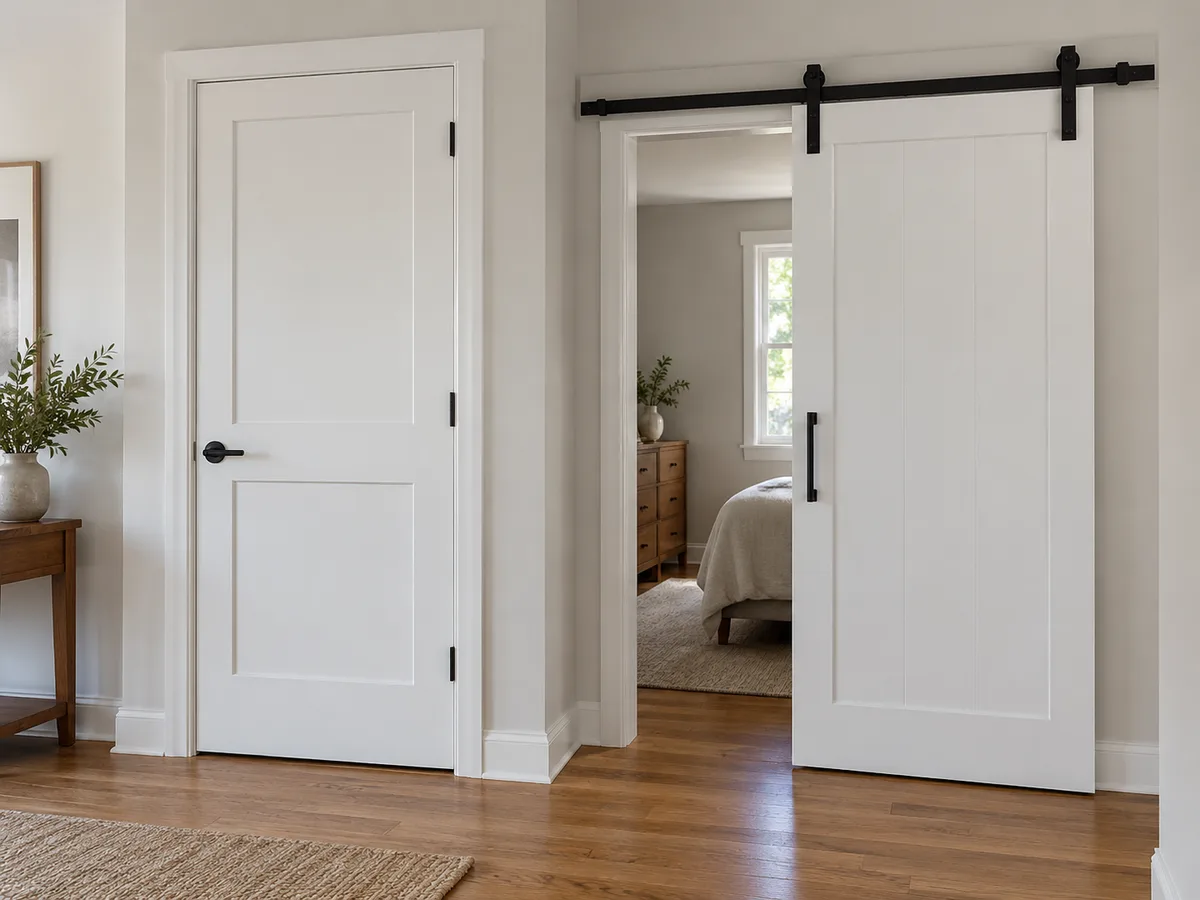
Interior doors
Doors for bedrooms, bathrooms and closets.
- Solid-core and hollow-core
- Pocket, barn, French and bifold
- Privacy and passage hardware
Business
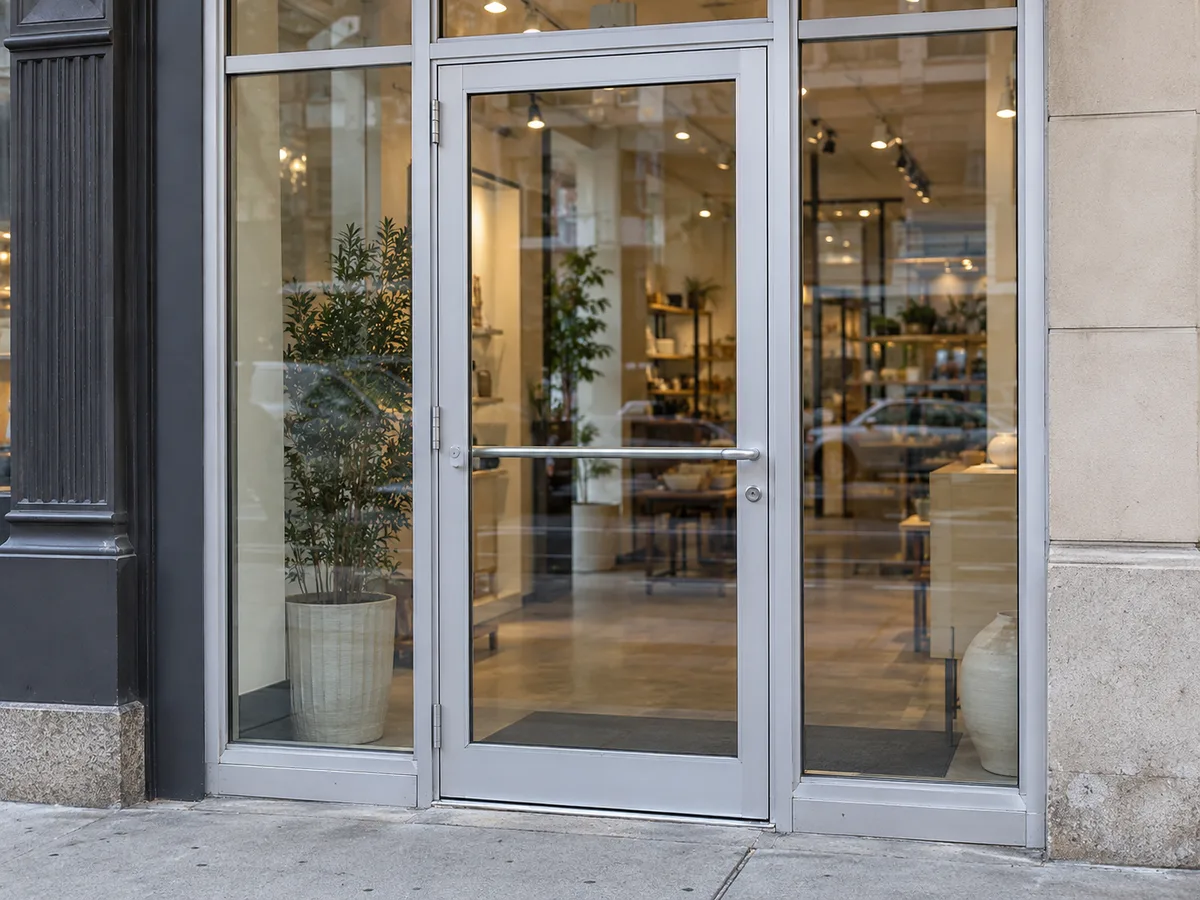
Storefront and metal doors
Aluminum and glass shop doors, plus hollow metal back and service doors.
- Narrow-stile deadlocks
- Push bars and panic hardware
- Door closers and thresholds
Business
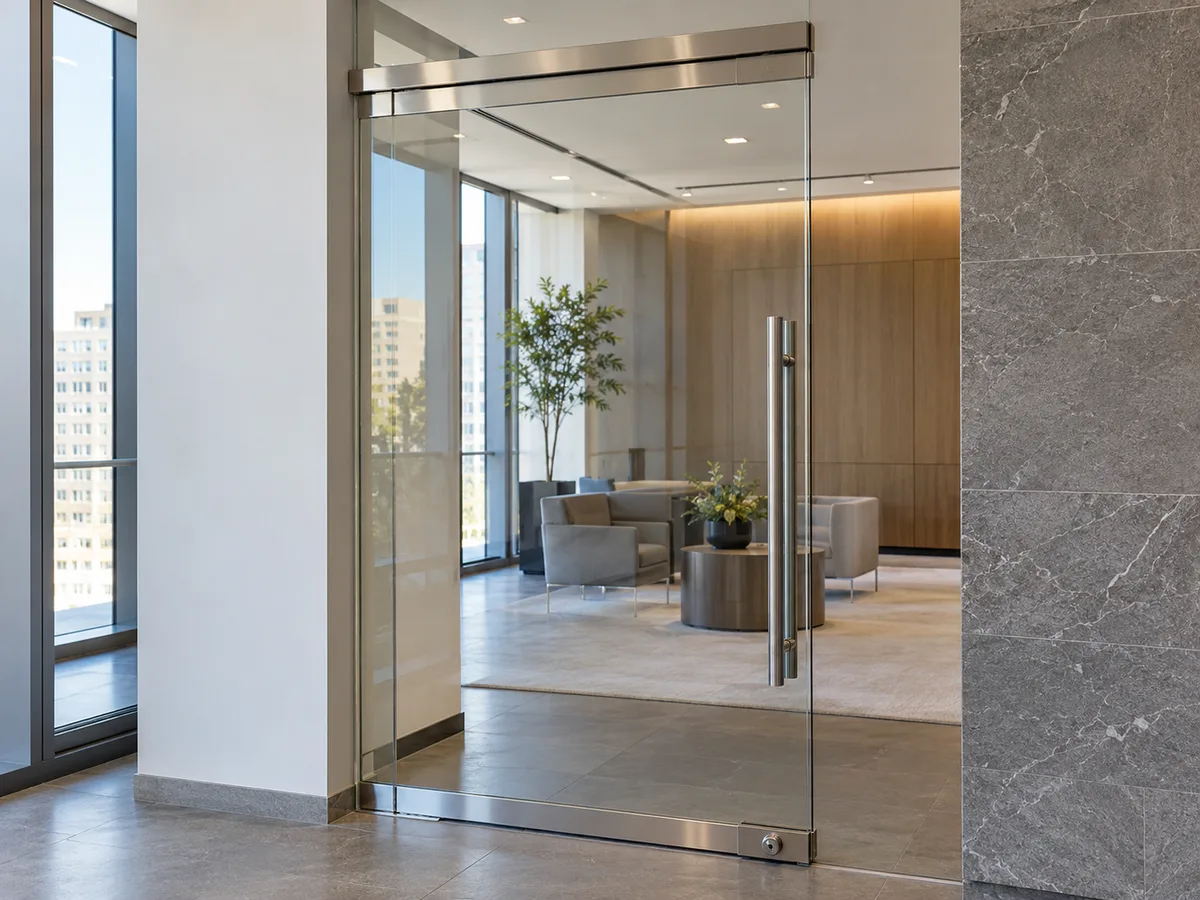
Frameless glass doors
All-glass tempered doors for offices, lobbies and retail.
- Top and bottom rails
- Long pull handles
- Floor or rail locks
Business
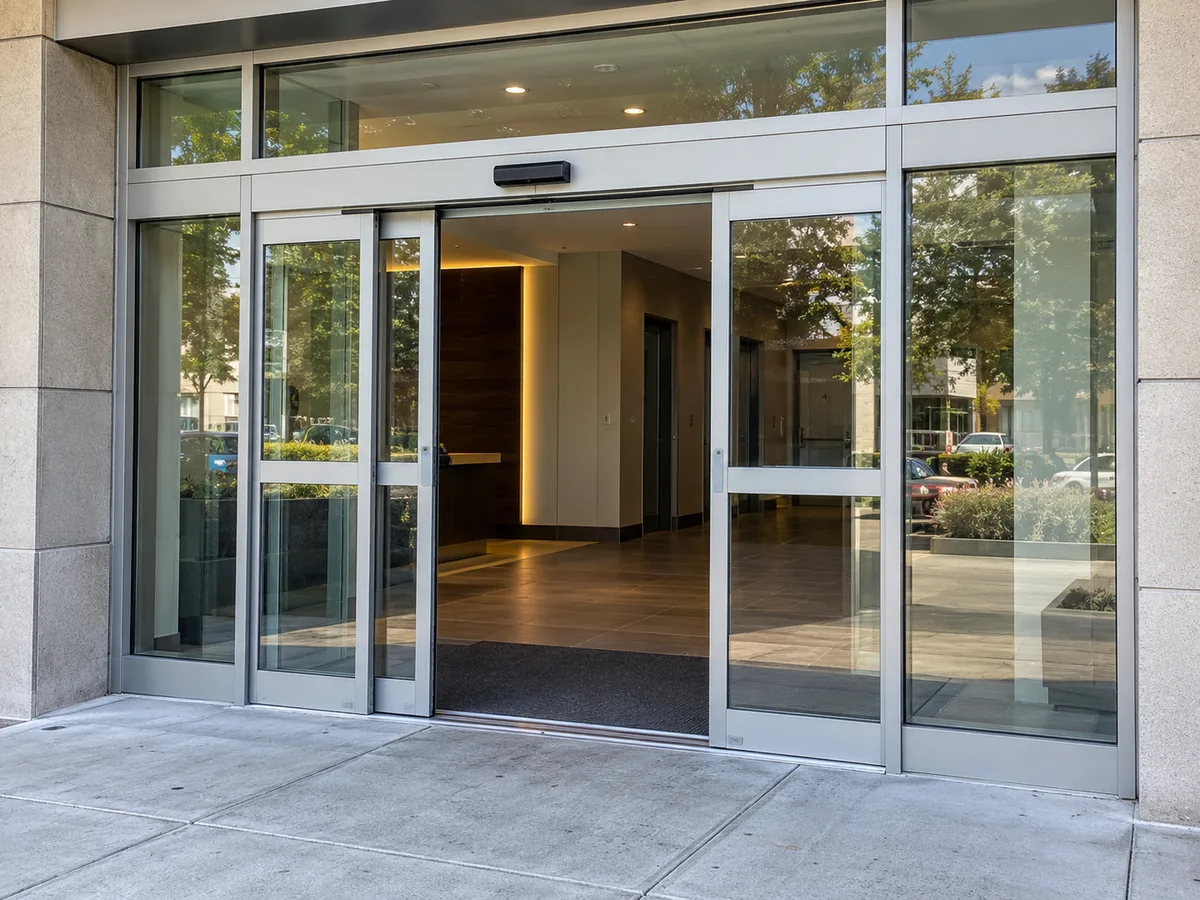
Automatic doors
Sliding and swing operators for shops, lobbies and accessible entrances.
- Full-power sensor doors
- Push-button low-energy doors
- Annual safety inspection
Common situations
- Old or damaged front door that no longer closes or locks well
- Door and frame damaged by a break-in
- Apartment entrance door that must self-close and latch
- Renovation that needs new interior doors
- Storefront glass door that drags, sticks or will not lock
- Business that wants an automatic or push-button door
How the job runs
- 1
Measure
We measure the opening and check the frame, floor and wall.
- 2
Price in writing
You get the door, frame, hardware and labor priced before anything is ordered.
- 3
Frame prep
The old door comes out and the frame is repaired, reinforced or replaced.
- 4
Hang and fit
The new door goes in with its locks, closer and hinges, adjusted to close evenly.
- 5
Test together
We check it closes, latches and locks from both sides before we leave.
Rules and limits
- Fire-rated doors only allow limited changes on site, such as cylinder holes and labeled viewers. Larger changes need approval from the manufacturer or testing lab.
- Before replacing a door or frame, confirm the scope, building requirements and any necessary approvals with the local building authority.
- Report a hallway door that fails to close or latch to building management. Inspect the closer, hinges, latch and frame together, and confirm the requirements for the existing door assembly.
- Automatic doors should be inspected every year by an AAADM-certified inspector, with a quick daily check by the owner.
Can I add locks to a fire-rated door?
Read the answer
Yes, within limits. The fire door standard allows small round holes, cylinder holes sized to the cylinder, holes for mortise locks and labeled door viewers to be made on site.
Anything beyond that, like cutting large openings or adding hardware that is not listed for fire doors, needs approval from the manufacturer or the testing lab. Otherwise the door may need to be inspected and re-labeled. We pick locks that keep the door's rating intact.
What is the difference between a full-power and a low-energy automatic door?
Read the answer
A full-power automatic door opens by sensor as people approach, like a supermarket sliding door. It follows the ANSI/BHMA A156.10 standard and needs "Automatic Door" signs.
A low-energy door opens only when someone presses a button or push plate, and it moves slowly: at least 3 seconds to open and at least 5 seconds held open. It follows A156.19 and is common for accessible entrances in small shops and offices.
Common questions
Do you supply the door or do I buy it?
Either. We can supply the door, frame and hardware, or install a door you bought if it fits the opening. We measure first so the order is right.
Can you replace the door without replacing the frame?
Often, if the frame is square and solid. A damaged, rotted or bent frame should be repaired or replaced, or the new door will not close and lock properly.
My apartment door will not close by itself. Who fixes it?
Report a hallway door that fails to close or latch to building management. Inspect the closer, hinges, latch and frame together, and confirm the requirements for the existing door assembly.
How wide does an accessible door need to be?
Under the ADA standards, an accessible door needs at least 32 inches of clear opening, and a threshold no higher than 1/2 inch.
Do you install glass and automatic doors for businesses?
Yes. We install aluminum and glass storefront doors, frameless glass doors and automatic door operators, together with the locks, closers and panic bars they need.